

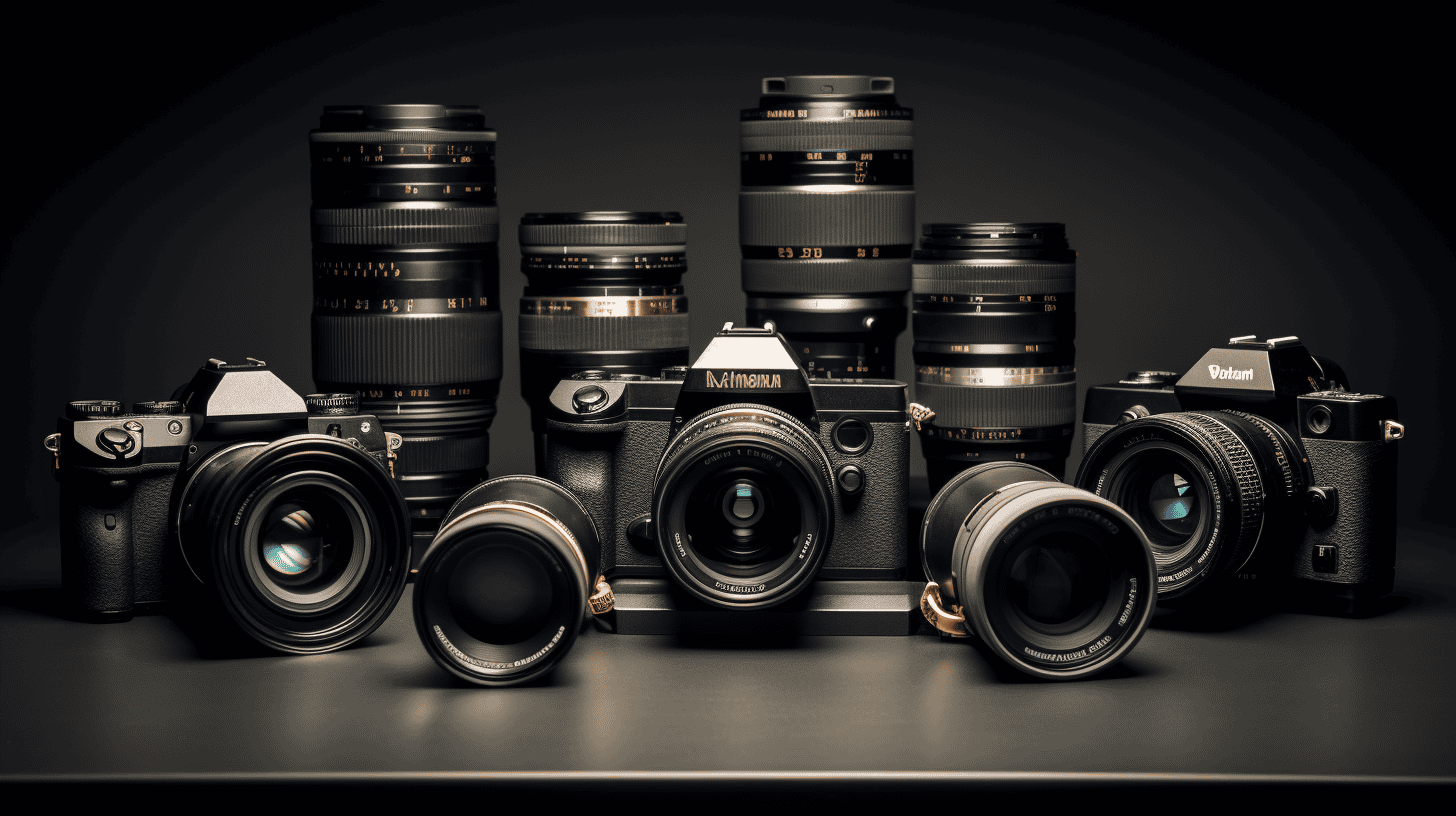
Unlock Stunning Photos: Find Your Perfect Camera Now
Introduction
Ever scroll through Instagram and think, “Wow, those photos are incredible! I wish I could take pictures like that”? Or perhaps you’re tired of blurry phone snapshots that don’t capture the magic of the moment. You’re not alone. We all crave that ability to freeze time, to capture beauty, and to tell stories through compelling visuals. But where do you even begin? The camera market is a jungle of megapixels, ISO settings, and cryptic acronyms. It’s overwhelming, and the fear of making the wrong choice can paralyze you.
Explanation of the Problem
The truth is, choosing the right camera can feel like a daunting task. It’s an investment, both financially and in your creative journey. But the consequences of not taking the plunge can be far-reaching. In the short term, you might miss out on capturing precious memories in their full glory. That breathtaking sunset? That adorable moment your child grinned at you? Lost to a mediocre image.
Long-term, the impact can be even greater. Photography is more than just taking pictures; it’s about developing a new way of seeing the world. It’s about honing your observation skills, learning to frame a scene, and expressing yourself through a powerful medium. By staying stuck with subpar equipment, you’re stifling your creativity and limiting your potential. You might even abandon the pursuit altogether, thinking you “just don’t have an eye for it.” But what if all you needed was the right tool?
Ready to unlock your photographic potential? Let’s cut through the noise and find the perfect camera for you.
Solutions
Solution 1: The Smartphone Photographer’s Upgrade – The Advanced Compact Camera
Many of us start our photographic journey with our smartphones. They’re convenient, always with us, and increasingly powerful. But smartphones have limitations. Their small sensors struggle in low light, their zoom is often digital (meaning it degrades image quality), and their lens options are limited.
Enter the advanced compact camera. These cameras are still relatively small and portable, but they pack a significantly larger sensor and a high-quality zoom lens. They also offer manual controls, allowing you to experiment with aperture, shutter speed, and ISO.
- Pros: Excellent image quality in a compact package, user-friendly interface, often offers more advanced features than a smartphone.
- Cons: Can be more expensive than a basic smartphone, requires carrying a separate device.
- Example: The Sony RX100 series is a popular choice, known for its exceptional image quality and compact size. Case study: a travel blogger who upgraded to an RX100 saw a dramatic improvement in their travel photos, especially in dimly lit historical sites and during nighttime cityscapes, leading to increased engagement on their blog.
Solution 2: The Versatile All-Rounder – The Mirrorless Camera
Mirrorless cameras have revolutionized the photography world. They offer the image quality of a DSLR but in a smaller, lighter body. The key advantage is their interchangeable lens system, allowing you to tailor your camera to specific situations. Whether you’re shooting portraits, landscapes, wildlife, or street photography, there’s a lens designed for the job.
- Pros: Excellent image quality, interchangeable lenses for maximum versatility, smaller and lighter than DSLRs, advanced features like fast autofocus and in-body image stabilization.
- Cons: Can be more expensive than compact cameras, the lens selection can be overwhelming.
- Example: The Sony Alpha series (like the A6000 or A7 series) and the Fujifilm X series are popular choices. A wildlife photographer switched from a bulky DSLR to a Sony A6600 and found it much easier to maneuver in challenging environments. The faster autofocus also allowed them to capture more fleeting moments with greater clarity.
Solution 3: The Classic Choice – The DSLR Camera
DSLRs (Digital Single-Lens Reflex) are the workhorses of the photography world. They’ve been around for a while and offer a wealth of features and lens options. While mirrorless cameras are gaining popularity, DSLRs still hold their own, particularly for enthusiasts and professionals who value their robust build and extensive lens ecosystem.
- Pros: Excellent image quality, vast lens selection, comfortable ergonomics, robust build quality.
- Cons: Larger and heavier than mirrorless cameras, the older technology compared to mirrorless cameras.
- Example: The Canon EOS and Nikon D series are industry standards. A wedding photographer, previously using only film, invested in a Canon DSLR and found that the digital workflow allowed for faster turnaround times and greater creative control in post-processing.
Solution 4: The Budget-Friendly Bridge Camera
Bridge cameras bridge the gap between point-and-shoot cameras and DSLRs. They offer a long zoom range and some manual controls, but they don’t have interchangeable lenses. They’re a good option for beginners who want more versatility than a smartphone but aren’t ready to invest in a full-fledged camera system.
- Pros: Long zoom range, relatively affordable, user-friendly interface.
- Cons: Image quality not as good as compact or mirrorless cameras, no interchangeable lenses.
- Example: The Panasonic Lumix FZ series and the Canon PowerShot SX series are popular choices. A family who wanted a camera specifically for capturing their kids’ sports games found a bridge camera with a powerful zoom to be an affordable and convenient option.
Making Your Choice: Beyond the Specs
Don’t get bogged down in the technical specifications. While megapixels and ISO ranges are important, they’re not the only factors to consider. Here’s a breakdown of key considerations:
- Your Budget: Be realistic about what you can afford. Remember to factor in the cost of accessories like lenses, memory cards, and a camera bag.
- Your Photography Style: What do you like to photograph? Landscapes, portraits, action shots? This will influence the type of camera and lens you need.
- Your Comfort Level: How comfortable are you with manual controls? If you’re a beginner, start with a camera that has a user-friendly interface and plenty of automatic modes.
- Hold It in Your Hands: Before you buy, try to hold the camera in your hands. Does it feel comfortable? Are the buttons easy to reach?
- Read Reviews and Watch Videos: Do your research! Read reviews from trusted sources and watch videos that demonstrate the camera’s features.
Conclusion
The Path Forward: From Apathy to Action
Choosing a camera is a journey, not a destination. Don’t be afraid to experiment, to make mistakes, and to learn from them. The most important thing is to start shooting! The more you practice, the better you’ll become, regardless of the camera you choose.
Think of your camera as a partner in your creative exploration. It’s a tool that can help you see the world in new ways, express your unique vision, and capture memories that will last a lifetime.
The world is full of stunning photo opportunities waiting to be captured. Don’t let fear or indecision hold you back. Take the first step today. Research, explore, and find the camera that feels right for you.
The moment you click that shutter button, the journey from thinking, to taking action, to achieving something great, starts. It’s the first step towards unlocking your potential and capturing the world in all its beautiful, fleeting glory. So, go ahead, unlock stunning photos and create a visual legacy that you will cherish for years to come. Your perfect camera is out there, waiting to be discovered.
