

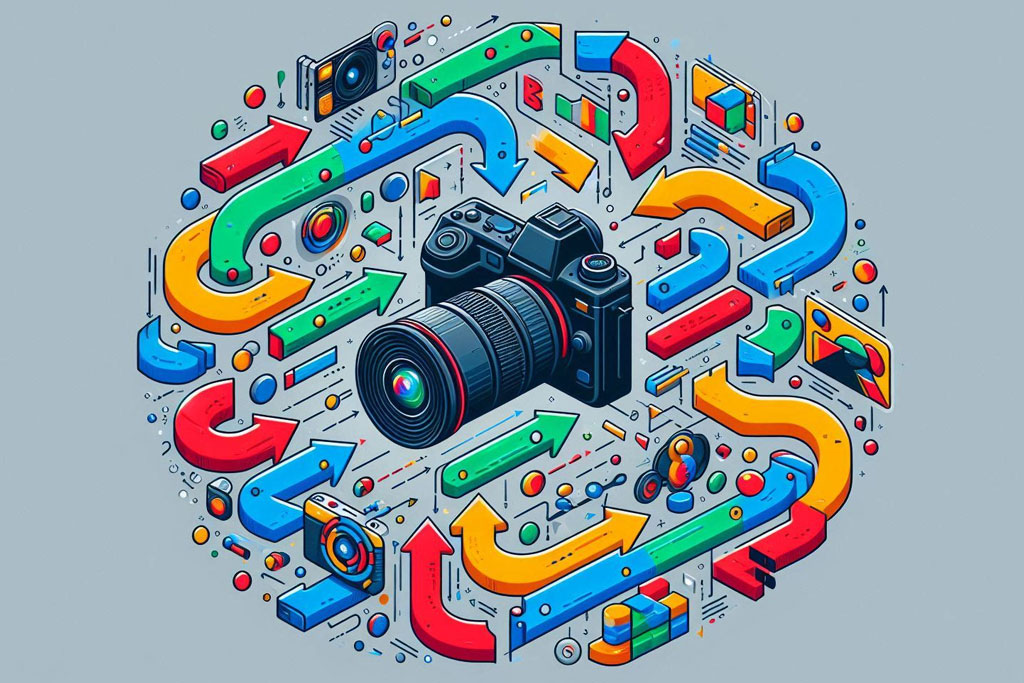
Pixels Shifting: Photography Redefined
Introduction
Remember when photography felt… simpler? A roll of film, a darkroom, the anticipation of seeing your captured moments materialize? Fast forward to today, and we’re drowning in a sea of pixels, with photography transforming at warp speed. But is this rapid evolution a blessing or a burden? “Pixels Shifting: Photography Redefined” dives into this dynamic landscape, exploring how photography has been reshaped, its short and long-term impacts, and practical solutions to navigate this ever-evolving world.
The Digital Deluge: Short-Term Impacts
Let’s face it, the immediate impact of digital photography is undeniable. We’re swimming in images. Instagram, Facebook, personal cloud storage – photos are everywhere. This abundance has democratized photography; everyone’s a photographer, equipped with a powerful camera in their pocket.
- The Accessibility Advantage: This has opened doors for creativity. Aspiring artists can experiment without the financial burden of film and development. Small businesses can create their own marketing materials, bypassing expensive studios.
- The Noise Factor: The flip side is the sheer volume. Sifting through the noise to find truly compelling images is a challenge. We’re bombarded with content, leading to image fatigue.
- The Instant Gratification Trap: We’ve become accustomed to instant feedback. This can stunt artistic growth. Instead of meticulously crafting an image, the focus often shifts to quick likes and validation.
Long-Term Ripples: The Shifting Sands of Photography
The long-term impacts of this pixel revolution are even more profound, reshaping industries, affecting our perception of reality, and altering the very nature of visual storytelling.
- The Rise of the Creator Economy: Photography has become a viable career path for many. Stock photography sites, freelance marketplaces, and social media platforms offer avenues for monetization. However, this also creates intense competition, requiring photographers to be savvy marketers and entrepreneurs.
- The Evolution of Photojournalism: The immediacy of digital photography has transformed news cycles. Citizen journalists can capture breaking events in real-time, offering alternative perspectives. This power, however, comes with the responsibility of verifying authenticity in an age of deepfakes and manipulated images.
- The Blurring of Reality: The ease of photo editing has blurred the lines between reality and fantasy. Instagram filters, Photoshop enhancements, and AI-powered image manipulation tools make it increasingly difficult to discern what’s real. This raises ethical questions about authenticity and the potential for manipulation.
- The Loss of the Tangible: There’s a growing nostalgia for the tactile experience of physical prints. Digital images often get lost in the cloud or forgotten on hard drives. The act of holding a photograph, sharing it with loved ones, and preserving it for future generations is becoming less common.
Navigating the Pixel Shift: Practical Solutions
The key to thriving in this redefined photographic landscape is adaptation and a strategic approach. Here are some practical solutions:
- Cultivate Your Unique Vision: In a sea of sameness, your distinct voice is your greatest asset. Don’t chase trends blindly; develop your own style, explore your passions, and create images that reflect your perspective.
- Example: Brandon Woelfel, despite using basic equipment, carved a niche for himself through his vibrant portraits that resonated with a young audience.
- Master the Art of Curation: Be selective about what you share. Don’t flood your audience with endless content; focus on quality over quantity. Create a cohesive portfolio that showcases your best work and tells a compelling story.
- Tip: Regularly review your older images and delete the ones that no longer align with your current style or vision.
- Embrace Ethical Editing: Use photo editing tools responsibly. Enhance your images, but don’t misrepresent reality. Be transparent about your editing practices and avoid manipulating images to deceive or mislead.
- Ethical Dilemma: Does digitally removing a distracting element from a news photograph compromise its integrity? Consider the potential consequences and strive for accuracy and fairness.
- Harness the Power of Storytelling: A photograph is more than just a visual representation; it’s a story waiting to be told. Capture moments that evoke emotions, spark curiosity, and connect with your audience on a deeper level.
- Case Study: Photojournalist Steve McCurry’s “Afghan Girl” became an iconic image because it captured the pain and resilience of a nation. The photograph told a powerful story that resonated with people around the world.
- Reclaim the Tangible: Print your favorite images, create photo albums, and share them with loved ones. Rediscover the joy of holding a physical photograph and preserving it for future generations.
- Creative Idea: Design a personalized photo book as a gift for a special occasion. This adds a thoughtful touch that digital images simply can’t replicate.
Alternative Approaches: Finding Your Niche
Not every photographer needs to be a social media influencer or a commercial success story. Consider these alternative approaches:
- Focus on Personal Projects: Use photography as a tool for self-expression and exploration. Document your life, capture your surroundings, or pursue a passion project that fuels your creativity.
- Join a Photography Community: Connect with other photographers, share your work, and learn from each other. Online forums, local camera clubs, and photography workshops offer opportunities for collaboration and growth.
- Give Back to Your Community: Use your photography skills to support local charities, non-profit organizations, or community events. Capture moments that celebrate your community and raise awareness for important causes.
- Embrace Film Photography: If you’re feeling overwhelmed by the digital world, consider returning to film photography. The slower pace and tactile experience can be a refreshing change, forcing you to be more deliberate and intentional with your shots.
Conclusion: A Future Framed with Optimism
The pixel shift in photography presents both challenges and opportunities. While the sheer volume of images can be overwhelming, the democratization of photography has opened doors for creativity and self-expression. By cultivating your unique vision, mastering the art of curation, embracing ethical editing, harnessing the power of storytelling, and reclaiming the tangible, you can navigate this redefined landscape and thrive as a photographer.
The future of photography is not about the technology; it’s about the human element. It’s about capturing moments that matter, telling stories that resonate, and connecting with others through the power of visual communication. Embrace the change, experiment with new techniques, and never stop learning. The world needs your unique perspective, now more than ever. Go out there and capture it!
