

Photography Unlocked:Your Lens on Every Genre
Introduction
Ever picked up a camera,felt that spark of creativity,and then…promptly hit a wall?You’re not alone.Photography,while exhilarating,can feel like a series of locked doors,each leading to a different genre and requiring a unique key.Street photography’s elusive candid moments,the precise control of studio portraits,the patience demanded by wildlife shots–it’s enough to make any budding photographer feel overwhelmed.
The Genre Juggle:Short-Term Frustration,Long-Term Stagnation
In the short term,this genre paralysis leads to frustration.You bounce between tutorials on landscape composition and macro photography tips,never truly mastering one thing.Your portfolio becomes a scattered collection of snapshots,lacking a cohesive voice or style.You start doubting your abilities,and the initial passion begins to wane.
The long-term impact is even more significant.Without specializing or,at least,deeply understanding a few genres,you risk stagnation.You miss out on the joy of truly connecting with a subject,of pushing your creative boundaries,and of developing a unique photographic identity.You might even pass up opportunities for paid work or collaborations,because you lack the focused expertise needed.
But don’t despair!The good news is that unlocking these genres isn’t about expensive equipment or innate talent.It’s about understanding the fundamental principles and adopting a strategic approach.Think of it as building a master key that can open doors to different photographic worlds.
Your Master Key:Practical Solutions for Genre Exploration
Here’s how to build your master key and unlock the potential within each photographic genre:
- The Deep Dive:Immersion and Research
Before grabbing your camera,immerse yourself in the genre you want to explore.Study the work of masters.Analyze their compositions,lighting,and subject choices.Read articles,watch documentaries,and absorb everything you can.
- Practical Application:Choose a photographer whose work you admire in a specific genre(e.g.,Ansel Adams for landscape,Annie Leibovitz for portraiture).Spend an hour each day for a week studying their images.Ask yourself:What makes this image compelling?How is the light being used?What story is being told?
- Case Study:Imagine you’re interested in food photography.Instead of just randomly snapping pictures of your meals,research professional food photographers.Notice how they use light,styling,and composition to make the food look irresistible.Then,try to replicate those techniques in your own photos.
- The Gear Grind:Understanding Your Tools
Different genres often require different equipment.While you don’t need to break the bank,understanding the gear essentials is crucial.
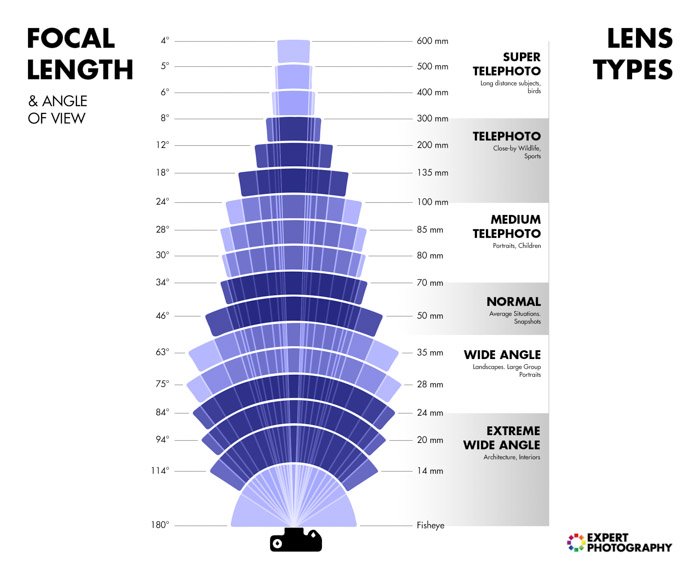
- Practical Application:If you’re interested in wildlife photography,understand the importance of a telephoto lens.If you’re drawn to macro photography,learn about macro lenses and techniques for achieving sharp focus at close range.Start by renting lenses before committing to a purchase.
- Case Study:Consider portrait photography.While a professional studio setup is ideal,you can achieve stunning portraits with natural light and a reflector.Learn how to position your subject relative to the light source and use a reflector to fill in shadows.This requires understanding your gear and how it interacts with light.
- The Practice Pyramid:Building from the Ground Up
Mastering any genre requires consistent practice.Start with the basics and gradually increase the complexity of your shots.
- Practical Application:If you’re tackling street photography,start by focusing on one element at a time–composition,light,or capturing candid expressions.Set specific goals for each practice session.For example,”Today,I will focus on using leading lines in my street photography compositions.”
- Case Study:Let’s say you want to conquer landscape photography.Don’t immediately aim for breathtaking mountain vistas.Start with local parks or gardens.Practice capturing the details–the texture of the bark on a tree,the pattern of sunlight filtering through the leaves.As you become more comfortable with these elements,gradually move on to more complex landscapes.
- The Feedback Loop:Seeking Constructive Criticism
Sharing your work and receiving feedback is essential for growth.Join online photography communities,participate in workshops,or find a mentor.
- Practical Application:Don’t be afraid to share your work online.Websites like Flickr,500px,and even Reddit have dedicated photography communities.Be specific when asking for feedback.Instead of saying “What do you think?”,ask “What could I have done differently to improve the composition of this shot?”
- Case Study:A budding portrait photographer joined a local photography club.Initially,they were hesitant to share their work.But after receiving constructive criticism from experienced members,they identified areas for improvement in their posing and lighting techniques.This feedback loop accelerated their learning process significantly.
- The Rule Bender:Experimentation and Innovation
Once you’ve mastered the fundamental principles,don’t be afraid to break the rules and experiment.Develop your own unique style and perspective.
- Practical Application:Try shooting a genre in a different way.For example,instead of capturing traditional landscape photos,focus on abstract elements or use a long exposure to create a sense of movement.
- Case Study:One photographer,known for their stunning black and white street photography,started experimenting with vibrant colors and unconventional angles.This departure from their signature style resulted in a series of images that were both visually striking and emotionally resonant.
Alternative Approaches:Tailoring Your Learning Journey
- The Genre-Specific Course:Many online and in-person courses offer structured learning experiences in specific genres.This can be a great way to learn the fundamentals and receive personalized feedback.
- The Photography Project:Choose a theme or subject and photograph it repeatedly over a period of time.This focused approach can help you develop a deeper understanding of light,composition,and storytelling.
- The Collaborative Approach:Partner with other photographers who specialize in different genres.This can be a great way to learn from each other and expand your creative horizons.
Your Photographic Future:A World of Possibilities
Unlocking the doors to different photography genres isn’t just about mastering technical skills.It’s about expanding your creative vision,deepening your connection with the world,and finding your unique photographic voice.Don’t be intimidated by the perceived complexity of each genre.Embrace the learning process,experiment fearlessly,and never stop exploring.The world is full of photographic possibilities,waiting to be captured through your lens.So,pick up your camera,choose your path,and start unlocking your photographic potential today!
