

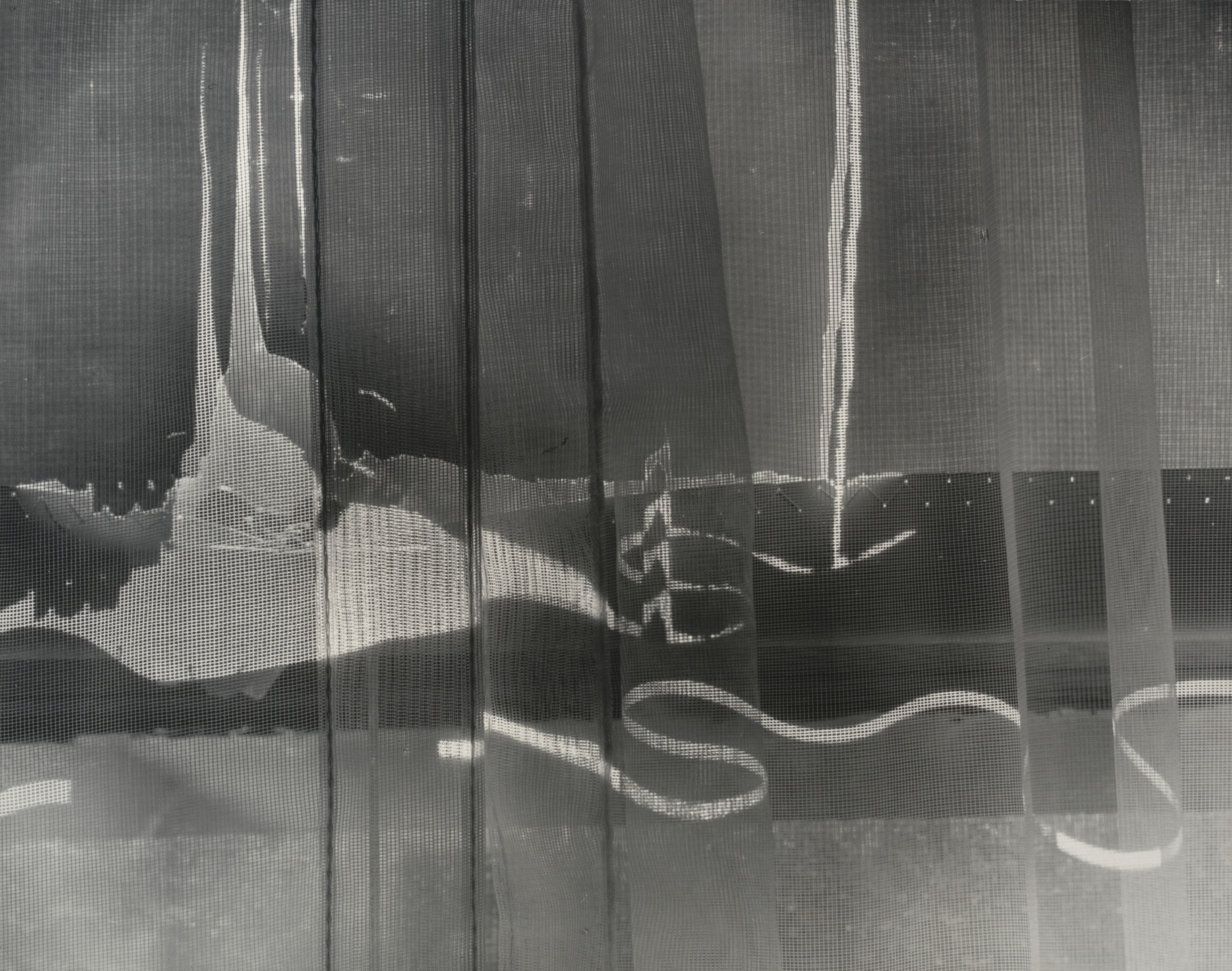
Photograph: The Silent Language of Light
Introduction
Ever stopped to really *look* at a photograph? Not just glance, but truly see it? Beyond the subject, the colors, the composition, lies a silent story – a narrative woven by the very essence of light itself. Photography, at its heart, is the art of capturing light, and in doing so, it captures emotions, memories, and entire worlds. But what happens when we lose sight of the power of this silent language, when we become passive consumers of images instead of active readers?
Explanation of the Problem
We live in a visually saturated world. Billions of photos are uploaded daily, a constant barrage vying for our attention. We scroll, we like, we move on. The short-term impact is a kind of visual fatigue, a numbing to the beauty and significance that photographs can hold. We become desensitized, losing the ability to truly connect with the stories being told. Think about that breathtaking sunset photo you saw yesterday. Can you recall the feeling it evoked? Or was it just another image in an endless stream?
The long-term consequences are more profound. When we fail to engage with photography in a meaningful way, we risk losing our ability to communicate effectively, to understand different perspectives, and to preserve our own history. Photographs document, they inform, they inspire, and they serve as powerful tools for social change. By not actively engaging with them, we diminish their potential impact and, ultimately, weaken our collective understanding of the world.
Think about historical photographs. They offer a window into the past, allowing us to connect with generations long gone. Without a critical eye and an understanding of the context, we risk misinterpreting these visual records, potentially perpetuating historical inaccuracies and biases. Similarly, photojournalism plays a crucial role in holding power accountable and raising awareness about important social issues. If we become indifferent to these images, we become indifferent to the stories they tell, and that can have devastating consequences.
Solutions
So, how do we rediscover the power of photography and reclaim our ability to read this silent language of light? It’s not about becoming a professional photographer; it’s about cultivating a deeper appreciation for the art and craft of image-making. Here are a few practical steps you can take:
- Slow Down and Observe: This is the simplest, yet perhaps the most effective, solution. Instead of scrolling mindlessly, pause. Choose a photograph that catches your eye and really *look* at it. What is the subject? How is the light being used? What emotions does the image evoke? What story is it telling?
Example: Consider Dorothea Lange’s “Migrant Mother.” Instead of just seeing a black and white photo of a woman, observe the lines on her face, the worry in her eyes, the vulnerability of her children. Research the context of the photograph – the Great Depression – and understand the broader narrative of hardship and resilience it represents.
- Engage with the Photographer’s Intent: Every photograph is a deliberate act of creation. The photographer made choices about composition, lighting, and subject matter. Try to understand their intent. Read about their work, their motivations, and their artistic vision.
Example: Explore the work of Steve McCurry, renowned for his iconic portrait “Afghan Girl.” By understanding his dedication to documenting human stories, particularly in conflict zones, you can appreciate the power and significance of his images on a deeper level.
- Experiment with Photography Yourself: You don’t need expensive equipment to start. Use your smartphone to capture the world around you. Experiment with different angles, lighting, and compositions. Even simple snapshots can help you develop a greater understanding of the technical and artistic aspects of photography.
Example: Try taking a series of photos of the same subject at different times of day, capturing the changing light and how it affects the mood and feel of the image. This exercise will train your eye to see and appreciate the subtle nuances of light.
- Explore Different Genres of Photography: Don’t limit yourself to one type of photography. Explore portraiture, landscape, documentary, street photography, and abstract photography. Each genre offers a unique perspective on the world and challenges you to see things in new ways.
Example: Visit a local photography exhibition or browse online galleries dedicated to different genres. Pay attention to the techniques used by the photographers and the stories they are trying to tell.
- Join a Photography Community: Connecting with other photography enthusiasts can be a great way to learn and grow. Share your work, critique the work of others, and participate in discussions about photography.
Example: Join a local photography club or an online forum. Participating in photography challenges and workshops can help you improve your skills and expand your creative horizons.
Alternative Approaches:
- Photo Journaling: Use photography as a tool for self-reflection and personal expression. Document your daily life, your travels, or your emotions through images.
- Photography Walks: Dedicate time to exploring your surroundings with your camera. Look for interesting details, unique perspectives, and moments that capture the essence of a place.
- “Reading” Photographs with Children: Engage children in conversations about photographs. Ask them what they see, what they feel, and what stories they think the images are telling. This can help them develop critical thinking skills and a greater appreciation for visual communication.
Conclusion
The beauty of photography lies in its ability to transcend language barriers and connect us to shared human experiences. By actively engaging with photographs, we can rediscover the power of this silent language of light and unlock a deeper understanding of ourselves, our world, and our history.
It’s time to move beyond passive consumption and embrace the art of seeing. Start small, be curious, and allow the silent language of light to speak to you. The rewards are immense: a richer appreciation for the world around you, a deeper connection to humanity, and a renewed sense of wonder. Don’t just look at photographs; *read* them. You might be surprised by the stories they have to tell.
