

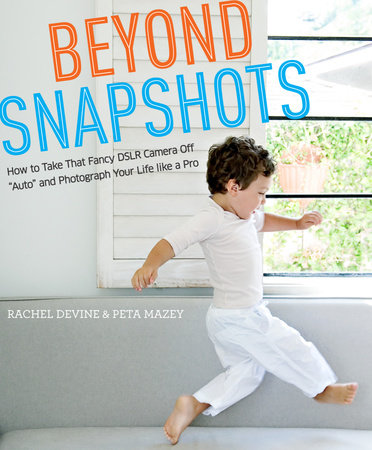
Beyond Snapshots: Unveiling Photography’s Diverse World
Introduction
We’ve all been there, haven’t we? Phone in hand, capturing that perfect sunset, a delicious-looking meal, or a memorable moment with friends. Snap, snap, snap! It’s so easy to take pictures these days, we hardly think about it. But what if I told you that photography is so much more than just documenting our daily lives? What if there’s a whole universe of creativity, storytelling, and even social impact hiding just beyond the “snapshot”?
This article isn’t about knocking the joy out of your Instagram feed. Instead, it’s an invitation to explore the fascinating and often overlooked depths of photography. It’s about understanding its power, its potential, and how you can move beyond simply taking pictures to truly *making* photographs.
The Short-Term & Long-Term Impacts of Staying in “Snapshot” Mode
Think about the thousands of images we scroll through daily. How many truly resonate with you? How many stick in your memory? In the short term, constantly churning out generic snapshots can lead to creative stagnation. We fall into predictable patterns, relying on the same filters and compositions. Our eye becomes less discerning, and we start seeing the world in a pre-packaged way, rather than with fresh perspective.
But the long-term impact can be even more profound. We risk missing opportunities to connect with the world on a deeper level. Photography can be a powerful tool for communication, empathy, and even social change. By staying in “snapshot” mode, we limit our ability to use this tool effectively. We miss the chance to tell stories that matter, to document history in a meaningful way, and to inspire others.
Think about it: a snapshot of a protest might show a crowd, but a photograph that captures the emotion in a protester’s eyes, the weary determination on their face, that’s a story. That’s something that can move people and spark dialogue. Staying in snapshot mode means missing out on opportunities to make this kind of impact.
Practical Solutions to Elevate Your Photography
So, how do we break free from the snapshot trap and unlock the true potential of photography? Here are a few practical solutions to get you started:
- Embrace the Rules (Then Break Them): Before you can effectively break the rules of composition, you need to know them. Learn about the rule of thirds, leading lines, symmetry, and the golden ratio. Understanding these principles will give you a solid foundation for creating visually appealing images. Once you grasp these concepts, experiment with breaking them intentionally to create more dynamic and unique compositions.
- Example: Instead of always placing your subject in the center of the frame, try using the rule of thirds to create a more balanced and visually interesting composition.
- Find Your Focus (Literally and Figuratively): What are you passionate about? What stories do you want to tell? Focusing on a specific subject matter or theme can help you develop a unique photographic style and voice. Are you drawn to wildlife, street photography, portraits, or landscapes? Choose a subject that excites you and dedicate time to exploring it through your lens. And of course, learn how to properly utilize focus in your images. Experiment with shallow depth of field to isolate your subject or use a wider aperture to capture more of the scene in sharp detail.
- Case Study: Brandon Stanton, creator of “Humans of New York,” started by photographing people on the streets of New York City. He then added captions with quotes from his subjects. By focusing on a specific subject (people) and adding a narrative element, he created a powerful and engaging photography project that resonated with millions.
- Master the Art of Light: Light is the lifeblood of photography. Understanding how light works and how to manipulate it is crucial for creating compelling images. Pay attention to the quality and direction of light. Learn how to use natural light to your advantage and experiment with artificial light sources like flash and strobes.
- Practical Tip: Practice shooting at different times of day to see how the light changes. “Golden hour” (the hour after sunrise and the hour before sunset) offers warm, soft light that is ideal for many types of photography.
- Get Hands-On with Editing (But Don’t Overdo It): Post-processing is an essential part of the photographic process. Editing software like Adobe Lightroom or Capture One can help you fine-tune your images, adjust exposure and contrast, and correct color casts. However, it’s important to use editing tools judiciously. Avoid over-editing your photos to the point where they look unnatural or artificial. The goal is to enhance your images, not to completely transform them.
- Tell a Story: A photograph that tells a story is far more engaging than a simple snapshot. Think about the narrative you want to convey with your images. What emotions do you want to evoke? Consider the composition, lighting, and subject matter you use to create a story that resonates with your viewers.
- Practice Mindful Observation: Slow down and really observe the world around you. Pay attention to the details, the textures, the patterns, and the moments that might otherwise go unnoticed. The more you train yourself to see the world with a photographer’s eye, the more opportunities you’ll find to capture compelling images.
Alternative Approaches & Solutions
Not every solution works for everyone. Here are some alternative approaches to consider:
- Join a Photography Club or Workshop: Connecting with other photographers can be a great way to learn new techniques, get feedback on your work, and stay motivated.
- Follow Photography Influencers: Many photographers share their work, tips, and tricks online. Follow photographers whose style you admire and learn from their example.
- Set Challenges: Challenge yourself to take photos on a specific theme or subject matter.
- Invest in Equipment (Eventually): You don’t need expensive gear to take good photos, but investing in a decent camera and lens can open up new possibilities.
- Study the Masters: Spend time looking at the work of famous photographers like Henri Cartier-Bresson, Dorothea Lange, and Ansel Adams. Analyze their compositions, lighting, and subject matter to learn from their techniques.
Conclusion: Your Photographic Journey Starts Now
Photography is a journey, not a destination. It’s a constant process of learning, experimenting, and growing. Don’t be afraid to make mistakes, to try new things, and to find your own unique voice. By moving beyond snapshots and embracing the full potential of photography, you can unlock a world of creativity, storytelling, and connection. The tools are in your hand, the world is waiting to be seen through your lens. So, go out there, explore, and start making photographs that matter. Your photographic adventure begins now!
