

“`html
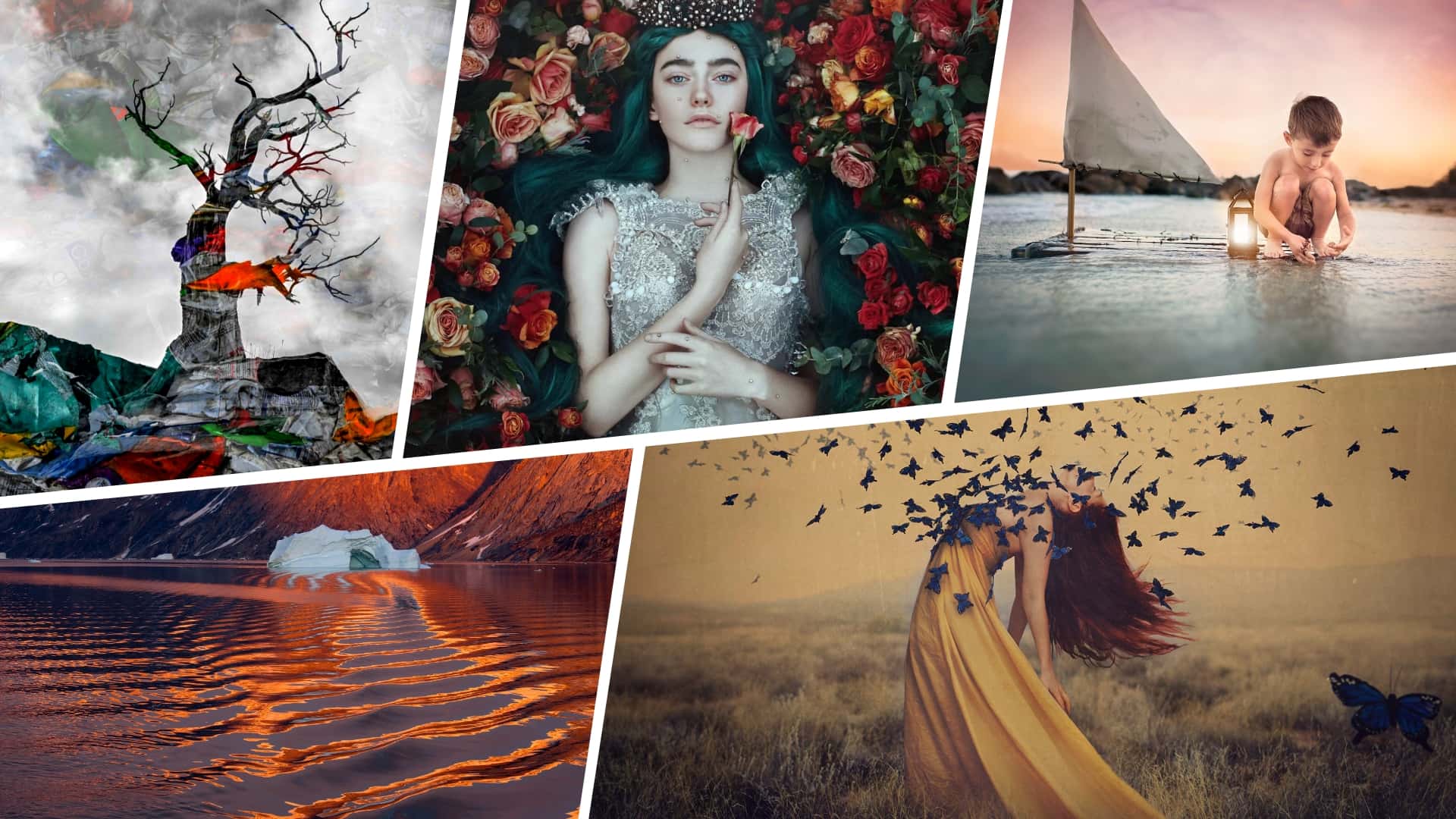
Beyond Snapshots: A Deep Dive into Photography’s Diverse Art Forms
Introduction
Ever scroll through Instagram and think, “Wow, that’s a great photo!”? We all do it. In today’s world, photography feels ubiquitous, something everyone with a smartphone can access. But let’s be honest, there’s a *universe* separating a simple snapshot from a truly compelling photograph. It’s the difference between a quick meal and a Michelin-star experience.
This isn’t about bashing casual photography. It’s about opening your eyes to the vast, multifaceted art form that lies beyond simply pointing and shooting. We’re talking about photography that evokes emotion, tells a story, and challenges perspectives. Ready to dive in?
The Snapshot Syndrome: Short-Term Gratification, Long-Term Stagnation
Think about it. How many photos do you take in a day? A week? Now, how many of those are truly memorable, something you’d print and hang on your wall or share with genuine enthusiasm years down the line? The ease of digital photography has led to what we call the “Snapshot Syndrome.” We’re capturing everything, retaining little, and rarely challenging ourselves to *create* instead of just *record*.
The Short-Term Impact:
This instant gratification leads to a sea of forgettable images. We become desensitized to the power of a truly great photograph, scrolling past masterpieces without a second glance. Our own photos become lost in the digital abyss, never truly appreciated or even noticed.
The Long-Term Impact:
The real loss is the missed opportunity for personal growth and artistic expression. By staying in the comfortable zone of snapshots, we limit our ability to see the world in new ways, to develop our creative eye, and to communicate our unique perspective. We cheat ourselves out of the profound joy and fulfillment that comes from mastering a craft.
But don’t worry! This isn’t a doomsday scenario. It’s an invitation to explore, experiment, and elevate your photography. Here’s how:
Breaking Free: Practical Steps to Unlock Your Photographic Potential
The good news is that escaping the Snapshot Syndrome doesn’t require a fancy studio or expensive equipment. It requires intention, practice, and a willingness to learn. Here are a few practical approaches to get you started:
- Embrace the Constraints: The Power of Focus
Often, we get overwhelmed by the sheer volume of possibilities. Instead of trying to capture everything, choose a specific photographic genre to explore. This focus allows you to develop a deeper understanding of its technical aspects, artistic nuances, and its unique storytelling potential.
- Portraiture: This is more than just snapping someone’s picture. It’s about capturing their personality, their essence. Explore different lighting techniques, posing strategies, and learn to connect with your subjects. Look at the work of Annie Leibovitz or Steve McCurry for inspiration. Their portraits are masterclasses in storytelling.
- Landscape Photography: This is about capturing the beauty and grandeur of the natural world. Explore different compositions, experiment with long exposures, and learn to read the light. Research photographers like Ansel Adams or Galen Rowell. They not only captured landscapes but also evoked profound feelings about nature.
- Street Photography: This involves capturing candid moments in public places. It’s about observing, anticipating, and documenting the human condition. Study the work of Henri Cartier-Bresson or Vivian Maier. Their images tell silent stories of everyday life.
- Abstract Photography: This goes beyond literal representation and focuses on form, color, and texture. It’s a great way to experiment with composition and explore the beauty of the ordinary. Look into photographers like Aaron Siskind for inspiration.
- Master the Fundamentals: Understanding the Exposure Triangle
Photography, at its core, is about capturing light. Understanding the “Exposure Triangle” – Aperture, Shutter Speed, and ISO – is crucial to controlling the amount of light that reaches your camera’s sensor and how it affects the final image.
- Aperture: Controls the depth of field. A wider aperture (smaller f-number like f/2.8) creates a shallow depth of field, blurring the background and isolating the subject. A narrower aperture (larger f-number like f/16) creates a greater depth of field, keeping everything in focus.
- Shutter Speed: Controls the amount of time the camera’s shutter is open, exposing the sensor to light. A fast shutter speed freezes motion, while a slow shutter speed allows motion blur.
- ISO: Controls the sensitivity of the camera’s sensor to light. A low ISO (like ISO 100) produces the cleanest images with the least noise. A high ISO (like ISO 3200) allows you to shoot in low light but can introduce noise or grain into the image.
Experiment with these settings to see how they affect your images. There are countless online resources and tutorials available to help you master these fundamentals.
- The Power of Composition: Guiding the Viewer’s Eye
Composition is the art of arranging elements within the frame to create a visually appealing and impactful image. Here are a few fundamental rules:
- Rule of Thirds: Divide your image into nine equal parts with two horizontal and two vertical lines. Place key elements along these lines or at their intersections to create a more balanced and dynamic composition.
- Leading Lines: Use lines to guide the viewer’s eye through the image, leading them to the main subject.
- Symmetry and Patterns: Look for symmetrical scenes or repeating patterns to create visually striking images.
- Negative Space: Use empty space to create a sense of balance and draw attention to the subject.
- The Editing Advantage: Enhancing, Not Overpowering
Photo editing is a powerful tool, but it should be used to enhance your images, not to completely transform them. Learn the basics of editing software like Adobe Lightroom or Capture One. Focus on adjusting exposure, contrast, white balance, and sharpness. Avoid over-editing, which can make your images look artificial and unnatural.
- Find Your Tribe: Learning from Others
Join a photography club, attend workshops, or connect with other photographers online. Sharing your work, receiving feedback, and learning from others is a great way to improve your skills and stay motivated. Online forums like Reddit’s r/photography or Flickr groups are great places to start.
Beyond the Techniques: The Art of Seeing
Ultimately, photography is about more than just technical skills. It’s about seeing the world in a unique way, about finding beauty in the ordinary, and about telling stories through images. Practice mindfulness and pay attention to the world around you. Look for interesting light, unique perspectives, and compelling moments.
Alternative Approaches: Choosing What Works for You
Not every solution works for every photographer. Here are a few alternative approaches you can consider:
- Film Photography: Return to the roots of photography and shoot with film. The limitations of film can force you to be more deliberate and intentional with your shots.
- Smartphone Photography: You don’t need a fancy camera to take great photos. Explore the capabilities of your smartphone camera and learn how to use it to its full potential.
- Macro Photography: Explore the world of tiny details with a macro lens. This opens up a whole new perspective on the world around you.
Conclusion: Embrace the Journey, Unleash Your Potential
Stepping beyond snapshots and diving into the diverse art forms of photography is a journey, not a destination. It requires patience, persistence, and a willingness to learn. But the rewards are immense. You’ll develop a deeper appreciation for the world around you, cultivate your creative eye, and gain the ability to communicate your unique perspective through powerful images.
So, pick up your camera, explore different genres, master the fundamentals, and most importantly, keep shooting. The world is waiting to be seen through your lens. Embrace the challenge, unlock your potential, and create something truly extraordinary. Your photographic journey is just beginning!
“`
