

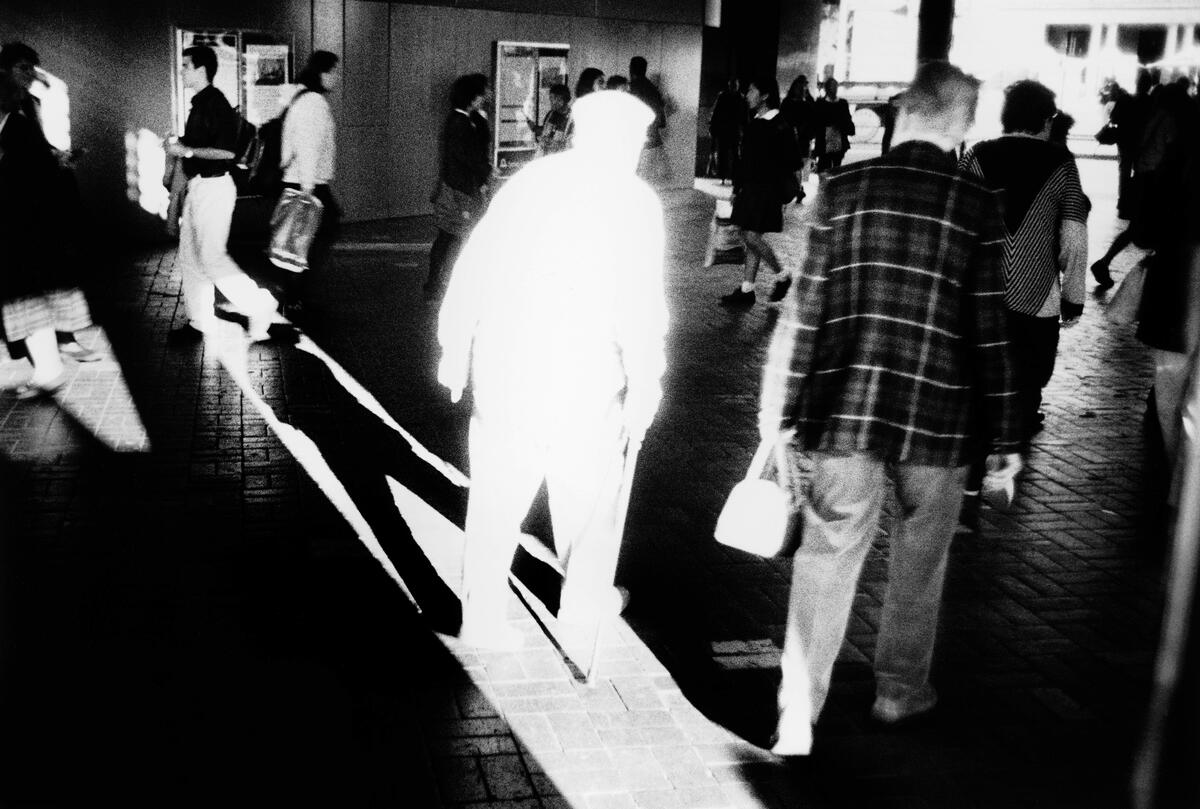
Photography: Where Light Becomes Forever
Introduction
Have you ever stopped to think about what photography truly is? It’s more than just pointing a camera and clicking a button. It’s about capturing a fleeting moment, a specific emotion, a unique perspective, and transforming it into something that lasts, well, forever. It’s about painting with light, freezing time, and preserving memories in a way that words simply can’t. It’s about making light, quite literally, become forever.
But photography is so much more than just a personal passion. It’s a powerful force that shapes our understanding of the world, influences our culture, and even drives social change. And while the tools of photography have evolved dramatically over the years, from bulky glass plates to sleek smartphones, the fundamental power remains the same: to capture, to share, and to shape our perception of reality.
However, in today’s world, we’re bombarded with images more than ever before. We scroll through endless feeds, double-tap without really seeing, and often lose sight of the true potential of photography. We’re drowning in visuals, yet somehow feeling disconnected. So, how do we navigate this sea of imagery and reclaim the art of truly capturing and appreciating the moments that matter?
The Short-Term Impact: A Disconnect from the Present
In the short term, this oversaturation leads to a diluted appreciation for genuine moments. We become more concerned with curating the perfect image for social media than truly experiencing the event unfolding before our eyes. Think about it: How many concerts have you attended where half the audience is watching the show through their phone screens? How many breathtaking sunsets have you seen reduced to a quick snapshot destined to be forgotten in a digital album?
This constant focus on capturing the ‘perfect’ image can actually detract from our ability to be present in the moment. We’re so busy framing the shot, adjusting the settings, and worrying about filters that we miss the nuances, the atmosphere, and the genuine human connection that makes the experience truly special. We’re living vicariously through the lens, rather than immersing ourselves in the reality around us.
Moreover, the pursuit of likes and validation can lead to a distorted sense of self. We begin to chase fleeting trends and conform to artificial standards of beauty, rather than embracing our individuality and celebrating the unique beauty of the world around us.
The Long-Term Impact: A Loss of Authentic Memory
The long-term consequences of this disconnect are even more profound. When we rely solely on digital images to preserve our memories, we risk losing the richness and depth that comes from experiencing life fully and reflecting on it thoughtfully.
Think about the old photo albums passed down through generations. Those faded prints, often imperfectly composed, hold a certain magic. They’re tangible reminders of a different time, a different way of life. You can feel the texture of the paper, smell the faint scent of age, and imagine the stories behind each image. These are sensory experiences that digital images simply can’t replicate.
Furthermore, our memories are often intertwined with emotions, sounds, and smells. When we’re fully present in the moment, our brains are more likely to create strong, lasting memories that are rich with detail. But when we’re distracted by our phones, we’re essentially outsourcing our memory-making to a device. We become passive observers, rather than active participants in our own lives.
Over time, this reliance on digital images can lead to a sense of detachment from our own history. We may have countless photos, but we lack the deep, personal connection to the memories they represent. We risk losing the stories that shape our identity and connect us to our past.
Solutions: Reclaiming the Power of Photography
So, how do we navigate this digital landscape and reclaim the power of photography to enhance our lives, rather than diminish them? Here are a few practical solutions:
- Practice Mindful Photography: This involves consciously choosing when and what to photograph. Before you reach for your camera, ask yourself: “Why am I taking this photo? What am I hoping to capture?” If the answer is simply “for likes” or “to show off,” consider putting your phone away and simply enjoying the moment.
- Example: Instead of photographing every dish at a restaurant, choose one that truly stands out and capture it in a way that reflects its beauty and your appreciation for the chef’s artistry.
- Embrace Imperfection: Not every photo needs to be perfectly composed or filtered. Sometimes, the most authentic and meaningful images are the ones that capture the raw, unedited reality of a moment. Embrace the blur, the awkward angles, and the unexpected expressions. These imperfections are what make the image unique and personal.
- Case Study: Look at the work of Vivian Maier, a nanny who secretly documented the streets of New York City with her Rolleiflex camera. Her photographs are often gritty and imperfect, but they offer a powerful and intimate glimpse into a bygone era.
- Limit Your Screen Time: This is perhaps the most obvious, but also the most challenging. Set aside specific times when you’ll put your phone away and focus on being present. During these times, resist the urge to check social media or take photos. Instead, engage with your surroundings, connect with the people around you, and simply enjoy the moment.
- Example: When you’re spending time with family or friends, put your phone in another room or turn off notifications. This will help you to be more present and engaged in the conversation.
- Print Your Photos: Don’t let your photos languish in digital oblivion. Print them out, create photo albums, or display them in your home. Having physical copies of your photos will help you to connect with your memories on a deeper level and share them with future generations.
- Alternative Approach: Create a photobook using an online service like Shutterfly or Blurb. This is a great way to curate your favorite photos and tell a visual story.
- Experiment with Different Mediums: Don’t limit yourself to digital photography. Explore film photography, Polaroid photography, or even alternative processes like cyanotypes or tintypes. Working with different mediums can challenge you to think differently about photography and appreciate the unique qualities of each process.
- Example: Attend a film photography workshop or join a local photography club to learn more about alternative techniques.
- Focus on Storytelling: The best photographs tell a story. They capture a specific moment in time and evoke emotions in the viewer. Think about the story you want to tell with your photos and focus on capturing the details that will help you to convey that story.
- Case Study: Look at the work of photojournalists like Steve McCurry or James Nachtwey. Their photographs are often powerful and moving because they tell stories about human suffering and resilience.
Embracing the Future, Honoring the Past
Photography, in its purest form, is a gift. It’s a way to see the world with new eyes, to connect with others on a deeper level, and to preserve our memories for future generations. While the digital age has presented its challenges, it has also opened up new possibilities for creativity and self-expression.
By practicing mindful photography, embracing imperfection, limiting our screen time, and focusing on storytelling, we can reclaim the power of photography and use it to enrich our lives, rather than diminish them. We can learn to be more present in the moment, appreciate the beauty of the world around us, and create lasting memories that will be treasured for years to come.
So, the next time you reach for your camera, take a moment to pause and consider what you’re hoping to capture. Remember that photography is more than just taking pictures. It’s about capturing light, freezing time, and preserving memories. It’s about making light become forever. And that’s a power we should all wield with intention and respect. Embrace the art, embrace the moment, and let your light shine. You might be surprised at what you capture, not just in the image, but also within yourself.
