

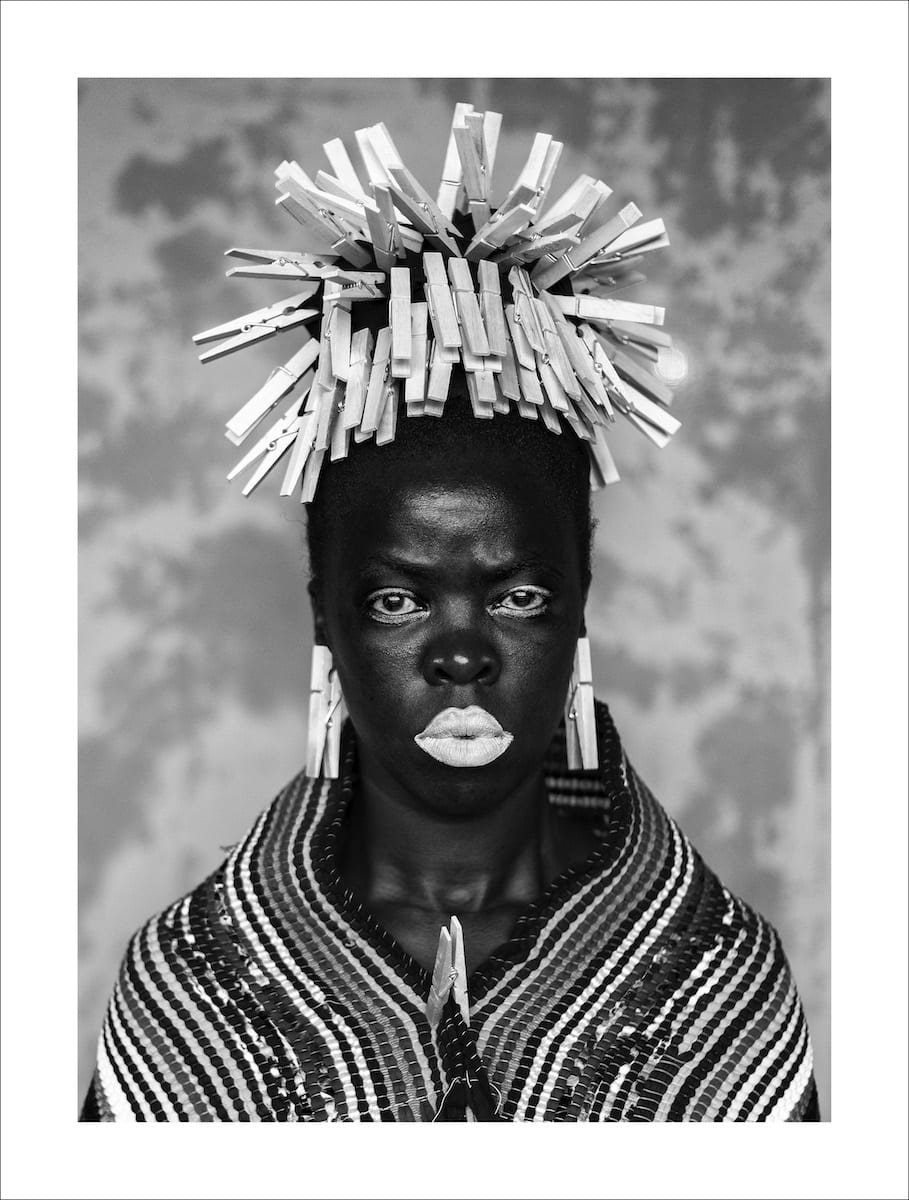
Beyond Snapshots: Unveiling Photography’s Diverse Art Forms
Introduction
Ever thought of photography as just pointing a camera and clicking? Think again! While capturing a quick snapshot is a part of it, the world of photography is a sprawling landscape of artistic expression, technical expertise, and compelling storytelling. It’s far more than just freezing a moment in time. It’s about evoking emotions, sparking conversations, and offering unique perspectives on the world around us.
But here’s the thing: many of us, even those who enjoy photography, often limit ourselves to the standard fare – vacation photos, family portraits, the occasional scenic landscape. We miss out on the incredible breadth and depth that photography offers. This not only restricts our own creative growth but also prevents us from fully appreciating the art form in its entirety. We become passive consumers of images, rather than active participants in the visual narrative.
The Ripple Effect: Short-Term and Long-Term Impacts
The immediate impact of limiting ourselves to basic photography is a sense of stagnation. Our photos start to look the same. The initial excitement fades, replaced by a feeling of creative rut. We might even start losing interest altogether.
However, the long-term consequences are more profound. By not exploring the diverse art forms within photography, we miss out on developing valuable skills such as:
- Visual Literacy: Understanding how images communicate and influence us.
- Creative Problem-Solving: Finding innovative ways to express ideas visually.
- Technical Proficiency: Mastering the camera and post-processing tools to achieve specific artistic visions.
- A Deeper Appreciation for Art: Expanding our understanding of artistic expression and its impact on society.
Ultimately, restricting our photographic journey limits our ability to communicate effectively, connect with others on a deeper level, and leave a meaningful visual legacy.
Breaking Free: Practical Solutions for Photographic Exploration
So, how do we break free from the snapshot trap and unlock the full potential of photography? Here are some practical solutions to get you started:
- Explore Different Genres:
Photography isn’t just about landscapes and portraits. Dive into genres you’ve never considered before.
- Street Photography: Capture candid moments in urban environments. This genre pushes you to observe, react quickly, and tell stories with a single frame. Look at the work of Henri Cartier-Bresson for inspiration.
- Macro Photography: Explore the intricate details of the world by photographing tiny subjects up close. Imagine the veins of a leaf magnified to reveal their delicate structure. This genre teaches patience and precision.
- Abstract Photography: Focus on shapes, colors, and textures rather than recognizable objects. This encourages experimentation and allows you to express emotions through non-representational forms.
- Documentary Photography: Use your camera to tell stories about social issues, cultural events, or personal experiences. This requires research, empathy, and a strong sense of narrative. Consider the work of Dorothea Lange, who documented the Great Depression.
- Master a Specific Technique:
Instead of trying to do everything at once, focus on mastering one specific technique.
- Long Exposure Photography: Use a slow shutter speed to capture motion blur and create ethereal effects. Think of silky smooth waterfalls or light trails from moving cars.
- Black and White Photography: Learn to see the world in terms of light and shadow, focusing on composition and contrast. This technique can add drama and timelessness to your images.
- High Dynamic Range (HDR) Photography: Combine multiple exposures to capture a wider range of tones and details, especially in high-contrast scenes. This technique can be useful for landscapes and architectural photography.
- Join a Photography Community:
Connect with other photographers online or in person. Share your work, get feedback, and learn from each other.
- Online Forums: Platforms like Reddit’s r/photography or photography-specific forums provide a space for discussion, critiques, and inspiration.
- Local Photography Clubs: Joining a local club allows you to participate in workshops, photo walks, and exhibitions.
- Online Courses and Workshops: Platforms like Skillshare, Udemy, and CreativeLive offer a wide range of photography courses taught by experienced professionals.
- Set Creative Challenges:
Give yourself specific assignments to push your boundaries and explore new ideas.
- “365 Day Project”: Take one photo every day for a year. This forces you to be creative and observant, even on days when you don’t feel inspired.
- Theme-Based Projects: Choose a theme (e.g., “Urban Decay,” “Portraits of Strangers”) and create a series of photos that explore that theme.
- Recreate Famous Photographs: Study the work of master photographers and try to recreate their iconic images. This helps you understand their techniques and composition skills.
- Experiment with Post-Processing:
Learn to use software like Adobe Lightroom or Photoshop to enhance your images and achieve specific artistic effects.
- Color Grading: Adjust the colors in your photos to create a specific mood or atmosphere.
- Retouching: Remove distractions, enhance details, and correct imperfections.
- Compositing: Combine multiple images to create surreal or fantastical scenes.
Alternative Approaches to Photographic Growth
Beyond the above, consider these alternative approaches:
- Study Art History: Understanding the history of art can provide valuable insights into composition, color theory, and visual storytelling. Visit museums, read books, and explore online resources.
- Collaborate with Other Artists: Work with models, stylists, designers, or other photographers to create collaborative projects. This can help you expand your network and learn new skills.
- Enter Photography Competitions: Participating in competitions can provide valuable feedback on your work and expose you to a wider audience. Look for reputable competitions with respected judges.
- Create a Photography Portfolio: Curate your best work into a cohesive portfolio that showcases your skills and artistic vision. This can be used to attract clients, gain recognition, or apply for opportunities.
Case Study: From Snapshot to Storyteller
Sarah, a busy mom who loved taking photos of her kids, felt stuck in a rut. Her photos were technically sound but lacked a certain spark. She decided to take a street photography workshop and was initially intimidated by the idea of photographing strangers. However, she soon discovered a passion for capturing candid moments and telling stories about the people in her city. She started a daily photo project documenting the lives of local street performers, and her work gained recognition on social media. Sarah’s journey shows how stepping outside your comfort zone and exploring a new genre can transform your photography from simple snapshots to compelling narratives.
The Future is in Your Hands: Embrace Photographic Diversity
The world of photography is a vast and exciting playground waiting to be explored. By embracing its diverse art forms, you can unlock your creative potential, develop valuable skills, and connect with others on a deeper level. Don’t be afraid to experiment, take risks, and challenge yourself. The journey may be challenging at times, but the rewards – a richer understanding of the world, a stronger voice, and a lasting visual legacy – are well worth the effort. So, pick up your camera, step outside your comfort zone, and start exploring the endless possibilities that photography has to offer. The story you tell might just be the one that changes the way someone sees the world.
