

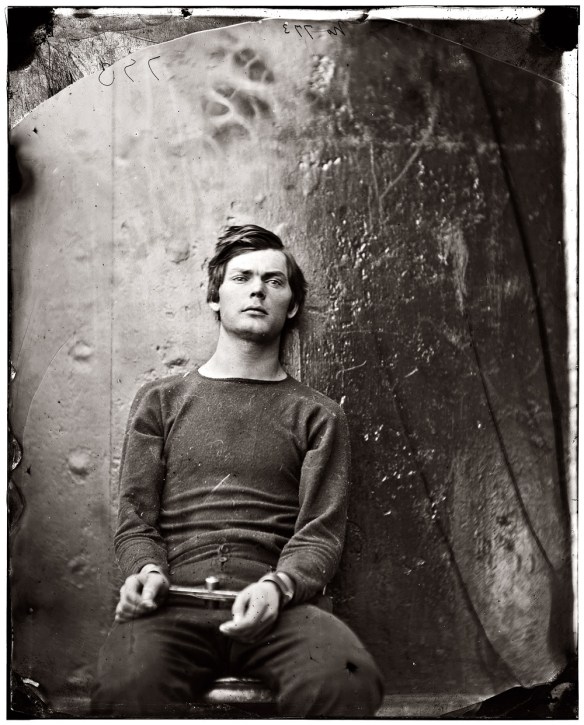
Photograph: Time’s Prisoner
Introduction
Ever stumble across an old photograph and get that strange, almost dizzying feeling? It’s like catching a glimpse of a parallel universe, a moment frozen in amber. There you are, younger, maybe happier, maybe not, but undeniably… different. That photograph, that tangible piece of the past, has you captive. It’s a prisoner of time, and by looking at it, so are you.
We all know the power of photographs. They’re more than just snapshots; they’re triggers. They unlock memories, evoke emotions, and transport us back to moments we thought were long gone. But have you ever considered the darker side of this power? How these seemingly innocent squares can hold us back, keep us chained to the past, and even subtly shape our present and future in ways we might not fully realize?
That’s what we’re diving into. We’re not going to demonize photography – far from it. We’re going to explore the complex relationship we have with these captured moments and learn how to use them as tools for growth, rather than chains that bind.
The Short-Term Sting: When Nostalgia Bites Back
Let’s be honest, we’ve all been there. Scrolling through old photos on a down day, suddenly feeling a pang of longing for “the good old days.” Maybe it’s a vacation photo, reminding you of carefree adventures. Maybe it’s a picture with an old friend, sparking a wave of nostalgia and a twinge of sadness.
This is the immediate sting of being a prisoner of time. In the short term, photographs can:
- Fuel Unrealistic Expectations: Comparing your present to a carefully curated past can lead to dissatisfaction. That perfect vacation photo? It probably doesn’t show the delayed flights, the sunburns, or the arguments over where to eat.
- Reinforce Negative Emotions: Holding onto images of heartbreak, failure, or loss can keep those emotions alive. It’s like picking at a scab – it prevents healing.
- Stall Present Momentum: Spending too much time dwelling on the past can distract you from the present, making it harder to focus on your goals and build a fulfilling future.
Imagine Sarah, who recently lost her job. She spends hours looking at photos from her company’s Christmas party, remembering the camaraderie and her sense of belonging. While a little nostalgia is understandable, she starts idealizing the job, forgetting the long hours and stressful deadlines. This makes her current job search even more daunting, as no opportunity seems to measure up to her idealized past.
The Long-Term Shadow: Shaping Our Identity, Limiting Our Potential
The long-term effects of our photographic memories are even more profound. Over time, they can subtly shape our identities, influence our decisions, and even limit our potential.
- Reinforcing Limiting Beliefs: Photographs can solidify beliefs about ourselves that may no longer be true. Seeing a photo of yourself as shy and awkward as a teenager might reinforce that belief, even if you’ve become more confident and outgoing since.
- Fueling Comparison and Envy: In the age of social media, this is amplified. We constantly compare ourselves to the carefully constructed realities of others, leading to feelings of inadequacy and envy. That picture-perfect family vacation? It might be hiding a strained marriage and financial worries.
- Creating a False Sense of Self: We can become overly attached to the image of ourselves that we project in photos, losing touch with our authentic selves. This can lead to a constant need for external validation and a fear of being “found out” as not living up to the image.
Consider Mark, who was a star athlete in high school. He still proudly displays his sports trophies and old team photos. While he cherishes the memories, he’s let his physical fitness decline significantly. He often talks about his “glory days,” but rarely makes an effort to exercise or pursue new athletic challenges. The past, captured in those photographs, has become a comfortable cage, preventing him from embracing new possibilities in the present.
Breaking Free: Practical Solutions to Reclaim Your Time
So, how do we break free from the time-bending trap of photographs and reclaim our present and future? Here are a few practical solutions you can implement today:
- Mindful Viewing: Approach your old photos with awareness. Instead of passively scrolling, actively engage with the images. Ask yourself: What emotions are these pictures triggering? Are these emotions serving me? Are they holding me back? Acknowledge the feelings without judgment and try to understand their origin.
- Example: Instead of just feeling sad when looking at a photo of a deceased loved one, acknowledge the sadness but also focus on the joy and love captured in the image. Remember the good times, but don’t let the grief consume you.
- Reframe the Narrative: Don’t let the photograph dictate the story. Rewrite the narrative around it. Instead of seeing a picture of yourself as shy and awkward, focus on the courage it took to even be in that situation. Celebrate your growth and progress since then.
- Case Study: A woman used to cringe at a photo of herself from a difficult period in her life. Instead of dwelling on the negativity, she started focusing on the resilience she displayed and the lessons she learned from that experience. She reframed the photo as a reminder of her strength and ability to overcome challenges.
- Curate Your Collection: Be intentional about which photos you keep and how you display them. Do certain images consistently trigger negative emotions? Consider deleting them or storing them out of sight. Focus on displaying photos that inspire you, celebrate your accomplishments, and remind you of positive experiences.
- Alternative Approach: Create themed albums or digital folders. Instead of having a jumbled mess of photos, organize them by year, event, or emotion. This can make it easier to access positive memories and avoid stumbling upon triggers accidentally.
- Balance Nostalgia with Action: It’s okay to reminisce, but don’t let it consume you. Use the inspiration from past achievements to fuel your present goals. If an old travel photo inspires you, start planning your next adventure. If a picture of you and a friend makes you miss them, reach out and reconnect.
- Personal Example: Seeing a photo of yourself looking healthy and active in the past can be a great motivator to recommit to your fitness goals. Use it as a reminder of what you’re capable of achieving.
- Create New Memories: The best way to break free from the past is to focus on creating new, positive experiences. Step outside your comfort zone, try new things, and build new relationships. These new memories will eventually become the photos that inspire your future self.
- Motivational Tip: Plan one new adventure or activity each month. It doesn’t have to be extravagant; it could be as simple as trying a new restaurant, exploring a new neighborhood, or taking a class in something you’ve always been interested in.
- Digital Detox: Schedule regular breaks from social media and digital devices. Constantly comparing yourself to others can exacerbate the negative effects of photographic memories. Take time to unplug and connect with yourself and the present moment.
- Practical Application: Designate specific times of the day or days of the week as “digital-free zones.” Use this time to engage in activities that nourish your mind, body, and soul, such as reading, spending time in nature, or practicing mindfulness.
Taking Control: A Future Forged, Not Frozen
Photographs are powerful tools, capable of both inspiring and hindering us. By understanding their potential impact and implementing these practical solutions, we can take control of our photographic memories and use them to build a brighter future.
Remember, the past is a valuable teacher, but it shouldn’t be a prison. Embrace the lessons, celebrate the victories, and then release the grip of the past. Focus on creating new memories, building meaningful relationships, and pursuing your dreams. The future is not a foregone conclusion based on your past; it’s a blank canvas waiting to be filled with your unique experiences and aspirations.
So, go ahead, look at those old photos. But look with intention, awareness, and a commitment to creating a future that is even more vibrant and fulfilling than the memories you hold dear. Let the past inform you, but don’t let it define you. You are the artist of your own life, and the best is yet to come.
