

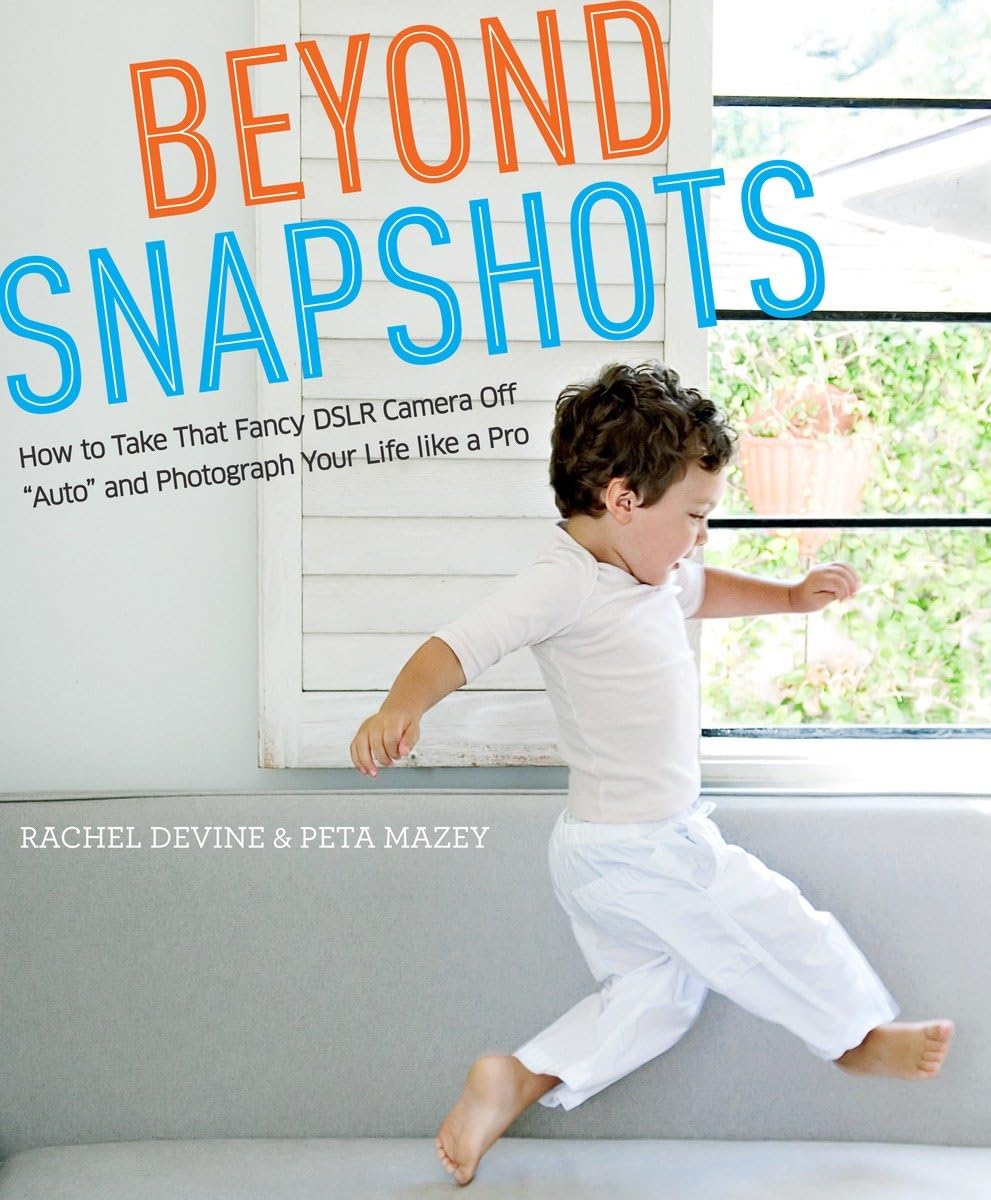
Beyond Snapshots: The Spectrum of Photography
Introduction
Ever picked up a camera, pointed, and clicked? Chances are, you have. Photography, at its most basic, seems straightforward – capturing a moment in time. But peel back that initial layer, and you’ll find a world far more vibrant and complex than just pretty pictures. We’re talking about a spectrum, a rainbow of possibilities that extends far beyond mere snapshots. Ready to explore it?
Explanation of the Problem
For many, photography is synonymous with quick, effortless captures. Think Instagram stories, selfies, or vacation photos. These digital snapshots are the currency of modern communication, instantly sharing experiences and connecting us with others. But what happens when we treat photography only as this instant gratification tool? We risk losing sight of its deeper potential: its power to tell stories, preserve history, evoke emotions, and even drive social change.
The Short-Term Cost: A Sea of Sameness
In the short term, the relentless pursuit of the perfect selfie or the most aesthetically pleasing food photo can lead to a homogenization of imagery. We see trends emerge and quickly become oversaturated. Think of the countless sunset pictures, the perfectly posed travel shots, the filters that promise instant beauty. While these images aren’t inherently bad, an overreliance on them can stifle creativity and lead to a lack of originality. Individuality gets lost in a sea of sameness, and the unique perspective each photographer could bring gets muted.
Furthermore, the pressure to constantly document everything can detract from actually experiencing life. How often do we see people more focused on capturing the perfect shot of a concert than actually enjoying the music? This constant documenting can lead to a disconnect from the present moment, prioritizing the digital representation over the lived experience.
The Long-Term Implications: Eroding Visual Literacy
The long-term impact is potentially more profound. When photography is primarily viewed as a means of instant communication and social validation, we risk eroding visual literacy. Visual literacy is the ability to critically analyze and interpret images, to understand their underlying messages, and to discern fact from fiction. If we’re only consuming and creating superficial imagery, we’re not developing the skills to understand the power and potential of photography as a tool for communication, persuasion, and even manipulation.
Imagine a world where everyone simply accepts images at face value, without questioning their context, intent, or potential biases. This could have serious consequences, impacting everything from political discourse to social justice movements. Consider the power of photojournalism in documenting historical events like the Civil Rights Movement. These images were not just snapshots; they were powerful visual testimonies that fueled change. If we lose the ability to critically analyze such images, we risk repeating the mistakes of the past.
Solutions
So, how do we move beyond snapshots and embrace the full spectrum of photography? Here are some practical, accessible solutions:
- Embrace the Slow Photo Movement: Take a break from the instant gratification of digital photography and experiment with film. The deliberate process of loading film, carefully composing a shot, and waiting for the development process encourages patience and mindfulness. This slower pace allows for greater consideration and a deeper connection with the subject matter.
- Case Study: Many photographers, disillusioned with the ease of digital, have returned to film, finding a renewed sense of creativity and purpose. They report feeling more connected to their subjects and more intentional with their compositions.
- Explore Different Genres: Break free from your comfort zone and experiment with genres you’ve never tried before. If you usually take portraits, try landscape photography. If you focus on landscapes, venture into street photography. This exploration will not only expand your skills but also broaden your perspective.
- Example: A portrait photographer could challenge themselves to capture the essence of a city through street photography, focusing on the daily lives and interactions of its inhabitants.
- Study the Masters: Immerse yourself in the work of renowned photographers throughout history. From Ansel Adams’ breathtaking landscapes to Henri Cartier-Bresson’s decisive moments, studying the masters will provide invaluable insights into composition, lighting, and storytelling. Analyze their techniques and try to incorporate them into your own work.
- Tip: Visit museums, read books, and explore online archives to discover a diverse range of photographic styles and approaches.
- Attend Workshops and Classes: Investing in your photographic education can be a game-changer. Workshops and classes offer opportunities to learn new techniques, receive feedback from experienced professionals, and connect with a community of like-minded individuals.
- Alternative: Online resources like CreativeLive, Skillshare, and YouTube offer a wealth of tutorials and courses on various photographic topics.
- Tell Stories, Not Just Take Pictures: Think about the story you want to tell with your images. What message do you want to convey? Who is your audience? By focusing on storytelling, you can elevate your photography from simple snapshots to powerful visual narratives.
- Example: Instead of just taking a picture of a flower, try capturing its journey from bud to bloom, documenting its growth and resilience.
- Critically Analyze Images: Develop your visual literacy by actively analyzing the images you encounter. Ask yourself: What is the photographer trying to communicate? What emotions does the image evoke? What are the underlying messages?
- Tip: Engage in discussions with others about the images you see. Share your interpretations and listen to different perspectives.
- Embrace Imperfection: Don’t strive for perfection; embrace the beauty of imperfection. Sometimes, the most compelling images are those that are slightly out of focus or poorly lit. These imperfections can add character and authenticity to your work.
- Example: A slightly blurred image of a child laughing can be more evocative than a perfectly sharp, posed portrait.
Alternative Approaches: Finding Your Niche
The beauty of photography is its versatility. You don’t have to follow a specific path to explore its spectrum. Here are some alternative approaches:
- Documentary Photography: Focus on capturing real-life events and social issues. This type of photography can raise awareness, inspire change, and preserve historical moments.
- Fine Art Photography: Explore your creative vision through artistic expression. Experiment with abstract concepts, surreal imagery, and unconventional techniques.
- Wildlife Photography: Capture the beauty and wonder of the natural world. This genre requires patience, skill, and a deep respect for the environment.
Conclusion
Photography is more than just pointing and shooting; it’s about seeing, feeling, and communicating. It’s about understanding the power of visuals and using them to tell stories, evoke emotions, and create meaningful connections. By embracing the full spectrum of photography, you can unlock your creative potential, develop your visual literacy, and make a lasting impact on the world.
So, step away from the auto settings, challenge your perspectives, and dive into the depths of this captivating art form. The journey beyond snapshots is waiting – a journey of discovery, creativity, and endless possibilities. It’s time to paint the world with your unique vision, one photograph at a time.
