

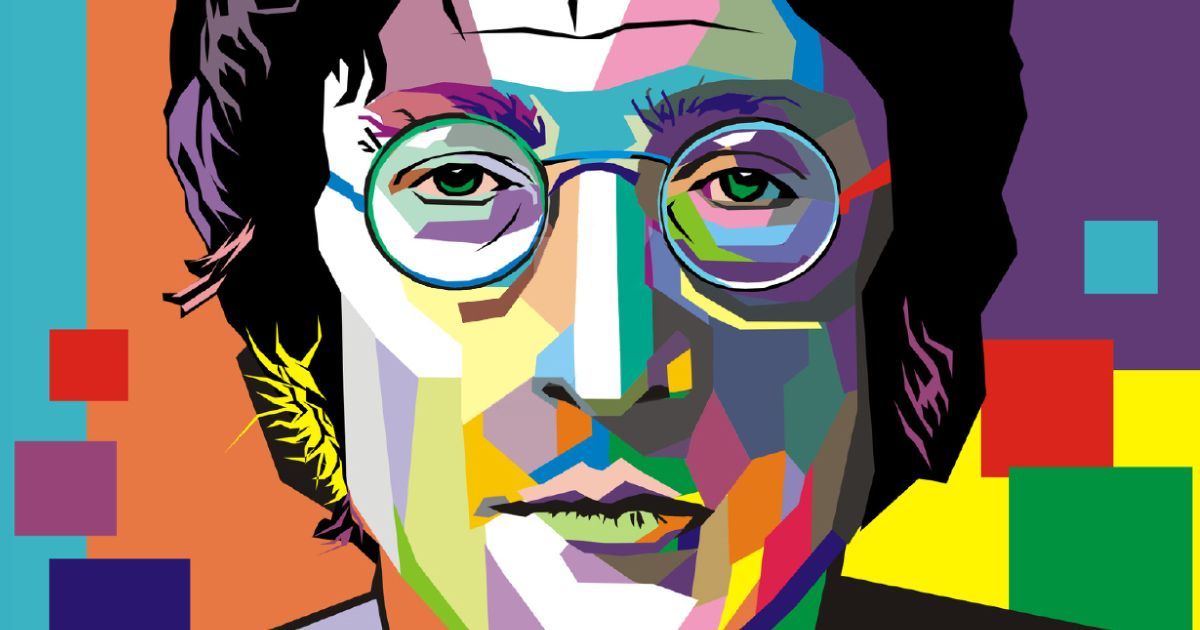
Lens Legends: Icons Who Shaped Our Vision
Introduction
Ever picked up a camera and wondered how we got to this point? From smartphone snaps to breathtaking cinematic masterpieces, the journey of photography and filmmaking is paved with the ingenuity and passion of some truly remarkable individuals. These aren’t just people who pointed and clicked; they’re the Lens Legends, the visionaries who literally shaped how we see the world.
This article isn’t about reciting textbook facts. It’s about celebrating the rebels, the innovators, and the artists who redefined what’s possible with a lens. Think of it as a backstage pass to the minds that birthed entire photographic styles, technologies, and perspectives. Ready to meet them?
From Daguerreotypes to Digital Dreams: A Legacy of Innovation
Let’s rewind to the very beginning. Imagine a world without readily available images. Enter Louis Daguerre, a French artist and physicist. His development of the daguerreotype process in the 1830s marked the birth of practical photography. Suddenly, capturing reality became a tangible possibility, a feat that was truly revolutionary!
- Short-Term Impact: Imagine being able to see lifelike images of people and places that you may never be able to see in your life.
- Long-Term Impact: Paved the way for all forms of photography and visual media we enjoy today, from portraiture to photojournalism.
Then came George Eastman, a name synonymous with making photography accessible to the masses. His Kodak camera, introduced in 1888, was a game-changer. Eastman’s vision was simple: “You press the button, we do the rest.” This democratization of photography empowered ordinary people to document their lives and experiences, turning snapshots into cherished memories.
- Short-Term Impact: Brought photography to the masses, enabling everyone to capture their daily lives.
- Long-Term Impact: Established Kodak as a dominant force, fostering innovation and shaping the consumer photography market.
Masters of Light and Shadow: The Art of Seeing
Beyond the technological leaps, there are the artists who elevated photography to an art form. Ansel Adams, with his dramatic black-and-white RTP JAWABET88 landscapes of the American West, showed us the raw beauty and power of nature. He didn’t just take pictures; he crafted masterpieces, meticulously controlling every aspect of the process, from exposure to development.
- Short-Term Impact: Showed the power of nature by elevating photography to an art form.
- Long-Term Impact: Inspired generations of photographers and conservationists to appreciate and protect the natural world.
Henri Cartier-Bresson, the master of “the decisive moment,” captured fleeting instants of life with an uncanny ability to anticipate and frame the perfect shot. His photojournalism documented the human condition with empathy and insight, influencing countless street photographers.
- Short-Term Impact: Captured defining moments in history with a unique human perspective.
- Long-Term Impact: Established photojournalism as a powerful form of storytelling and social commentary.
Pioneers of the Moving Image: From Silent Films to Blockbuster Spectacles
The transition from still photography to motion pictures opened up a whole new realm of creative possibilities. The Lumière brothers, Auguste and Louis, are credited with creating the first commercially viable motion picture camera and projector, the Cinématographe. Their short films, documenting everyday life, captivated audiences and laid the foundation for the film industry.
- Short-Term Impact: Created the first commercially viable motion picture camera and projector.
- Long-Term Impact: Set the stage for the global film industry and the art of cinematic storytelling.
Then came innovators like George Lucas, who revolutionized filmmaking with his groundbreaking special effects in “Star Wars.” He pushed the boundaries of visual storytelling, creating immersive worlds that transported audiences to galaxies far, far away. Lucas’s innovations in CGI and sound design continue to influence filmmaking today.
- Short-Term Impact: Pushed special effects to new heights.
- Long-Term Impact: Set a new standard for special effects and large-scale film production.
The Digital Revolution and Beyond: A New Era of Visual Storytelling
The advent of digital technology transformed photography and filmmaking once again, empowering new voices and expanding creative possibilities. Digital cameras, editing software, and online platforms have made it easier than ever to create and share visual content. This democratization of image-making has led to an explosion of creativity, with new styles and genres emerging all the time.
Individuals such as Annie Leibovitz, known for her intimate and iconic portraits of celebrities, exemplified the adaptability and innovation in photography. Her ability to capture the essence of her subjects with artistry and technical skill solidified her place in photographic history.
- Short-Term Impact: Showed that intimate and artistic celebrity portraits can bring out the emotions of each individual.
- Long-Term Impact: Influenced generations of portrait photographers and helped shape the visual identities of many iconic figures.
Lessons from the Legends: A Blueprint for Visionaries
So, what can we learn from these Lens Legends? Here are a few key takeaways:
- Embrace Innovation: Don’t be afraid to experiment with new technologies and techniques. The legends were always pushing the boundaries of what was possible.
- Develop Your Unique Vision: Find your own voice and perspective. What do you want to say with your images? What stories do you want to tell?
- Master the Fundamentals: Understanding the basics of composition, lighting, and exposure is essential for creating compelling images.
- Tell a Story: The best images tell a story, whether it’s a grand epic or a quiet moment of reflection.
- Don’t be Afraid to Break the Rules: While mastering the fundamentals is important, don’t be afraid to break the rules and experiment with unconventional approaches.
Alternative Approaches to Honing Your Vision
- Study the Masters: Immerse yourself in the work of the Lens Legends. Analyze their techniques, their compositions, and their storytelling.
- Join a Photography Community: Connect with other photographers and filmmakers. Share your work, get feedback, and learn from each other.
- Take a Workshop: Invest in your education by taking a workshop or online course. Learn from experienced professionals and develop your skills.
- Personal Projects: Commit to personal projects that challenge you creatively and allow you to explore your unique vision.
- Just Shoot: The best way to improve your skills is to practice. Take your camera everywhere you go and capture the world around you.
Conclusion: Your Vision, Your Legacy
The Lens Legends have left an indelible mark on our visual culture, shaping how we see the world and inspiring generations of photographers and filmmakers. But their story is far from over. The digital revolution has democratized image-making, empowering new voices and expanding creative possibilities.
Now, it’s your turn to pick up the torch and carry on their legacy. Embrace innovation, develop your unique vision, and tell your stories. The world is waiting to see what you create. So go out there, capture the moment, and shape our vision for the future. Your journey to becoming a Lens Legend starts now.
